Monday, July 18, 2022


Breast cancer


Overview


Breast cancer is cancer that forms in the cells of the breasts.

After skin cancer, breast cancer is the most common cancer diagnosed in women in the United States. Breast cancer can occur in both men and women, but it's far more common in women.

Substantial support for breast cancer awareness and research funding has helped created advances in the diagnosis and treatment of breast cancer. Breast cancer survival rates have increased, and the number of deaths associated with this disease is steadily declining, largely due to factors such as earlier detection, a new personalized approach to treatment and a better understanding of the disease.


Types

Angiosarcoma

Ductal carcinoma in situ (DCIS)

Inflammatory breast cancer

Invasive lobular carcinoma

Lobular carcinoma in situ (LCIS)

Male breast cancer

Paget's disease of the breast

Recurrent breast cancer


Symptoms


Signs and symptoms of breast cancer may include:


A breast lump or thickening that feels different from the surrounding tissue

Change in the size, shape or appearance of a breast

Changes to the skin over the breast, such as dimpling

A newly inverted nipple

Peeling, scaling, crusting or flaking of the pigmented area of skin surrounding the nipple (areola) or breast skin

Redness or pitting of the skin over your breast, like the skin of an orange


When to see a doctor

If you find a lump or other change in your breast — even if a recent mammogram was normal — make an appointment with your doctor for prompt evaluation.


Specialized treatment information for high risk breast cancer


Causes

Doctors know that breast cancer occurs when some breast cells begin to grow abnormally. These cells divide more rapidly than healthy cells do and continue to accumulate, forming a lump or mass. Cells may spread (metastasize) through your breast to your lymph nodes or to other parts of your body.


Breast cancer most often begins with cells in the milk-producing ducts (invasive ductal carcinoma). Breast cancer may also begin in the glandular tissue called lobules (invasive lobular carcinoma) or in other cells or tissue within the breast.


Researchers have identified hormonal, lifestyle and environmental factors that may increase your risk of breast cancer. But it's not clear why some people who have no risk factors develop cancer, yet other people with risk factors never do. It's likely that breast cancer is caused by a complex interaction of your genetic makeup and your environment.


Inherited breast cancer

Doctors estimate that about 5 to 10 percent of breast cancers are linked to gene mutations passed through generations of a family.


A number of inherited mutated genes that can increase the likelihood of breast cancer have been identified. The most well-known are breast cancer gene 1 (BRCA1) and breast cancer gene 2 (BRCA2), both of which significantly increase the risk of both breast and ovarian cancer.


If you have a strong family history of breast cancer or other cancers, your doctor may recommend a blood test to help identify specific mutations in BRCA or other genes that are being passed through your family.


Consider asking your doctor for a referral to a genetic counselor, who can review your family health history. A genetic counselor can also discuss the benefits, risks and limitations of genetic testing to assist you with shared decision-making.


Risk factors


A breast cancer risk factor is anything that makes it more likely you'll get breast cancer. But having one or even several breast cancer risk factors doesn't necessarily mean you'll develop breast cancer. Many women who develop breast cancer have no known risk factors other than simply being women.


Factors that are associated with an increased risk of breast cancer include:


Being female. Women are much more likely than men are to develop breast cancer.

Increasing age. Your risk of breast cancer increases as you age.

A pers. If you've had a breast biopsy that found lobular carcinoma in situ (LCIS) or atypical hyperplasia of the breast, you have an increased risk of breast cancer.

A personal history of breast cancer. history of breast conditions

t cancer. If you've had breast cancer in one breast, you have an increased risk of developing cancer in the other breast.

A family history of breast cancer. If your mother, sister or daughter was diagnosed with breast cancer, particularly at a young age, your risk of breast cancer is increased. Still, the majority of people diagnosed with breast cancer have no family history of the disease.

Inherited genes that increase cancer risk. Certain gene mutations that increase the risk of breast cancer can be passed from parents to children. The most well-known gene mutations are referred to as BRCA1 and BRCA2. These genes can greatly increase your risk of breast cancer and other cancers, but they don't make cancer inevitable.

Radiation exposure. If you received radiation treatments to your chest as a child or young adult, your risk of breast cancer is increased.

Obesity. Being obese increases your risk of breast cancer.

Beginning your period at a younger age. Beginning your period before age 12 increases your risk of breast cancer.

Beginning menopause at an older age. If you began menopause at an older age, you're more likely to develop breast cancer.

Having your first child at an older age. Women who give birth to their first child after age 30 may have an increased risk of breast cancer.

Having never been pregnant. Women who have never been pregnant have a greater risk of breast cancer than do women who have had one or more pregnancies.

Postmenopausal hormone therapy. Women who take hormone therapy medications that combine estrogen and progesterone to treat the signs and symptoms of menopause have an increased risk of breast cancer. The risk of breast cancer decreases when women stop taking these medications.

Drinking alcohol. Drinking alcohol increases the risk of breast cancer.

Prevention

Breast cancer risk reduction for women with an average risk

Making changes in your daily life may help reduce your risk of breast cancer. Try to:


Ask your doctor about breast cancer screening. Discuss with your doctor when to begin breast cancer screening exams and tests, such as clinical breast exams and mammograms.


Talk to your doctor about the benefits and risks of screening. Together, you can decide what breast cancer screening strategies are right for you.


Become familiar with your breasts through breast self-exam for breast awareness. Women may choose to become familiar with their breasts by occasionally inspecting their breasts during a breast self-exam for breast awareness. If there is a new change, lumps or other unusual signs in your breasts, talk to your doctor promptly.


Breast awareness can't prevent breast cancer, but it may help you to better understand the normal changes that your breasts undergo and identify any unusual signs and symptoms.


Drink alcohol in moderation, if at all. Limit the amount of alcohol you drink to no more than one drink a day, if you choose to drink.

Exercise most days of the week. Aim for at least 30 minutes of exercise on most days of the week. If you haven't been active lately, ask your doctor whether it's OK and start slowly.

Limit postmenopausal hormone therapy. Combination hormone therapy may increase the risk of breast cancer. Talk with your doctor about the benefits and risks of hormone therapy.


Some women experience bothersome signs and symptoms during menopause and, for these women, the increased risk of breast cancer may be acceptable in order to relieve menopause signs and symptoms.


To reduce the risk of breast cancer, use the lowest dose of hormone therapy possible for the shortest amount of time.


Maintain a healthy weight. If your weight is healthy, work to maintain that weight. If you need to lose weight, ask your doctor about healthy strategies to accomplish this. Reduce the number of calories you eat each day and slowly increase the amount of exercise.

Choose a healthy diet. Women who eat a Mediterranean diet supplemented with extra-virgin olive oil and mixed nuts may have a reduced risk of breast cancer. The Mediterranean diet focuses mostly on plant-based foods, such as fruits and vegetables, whole grains, legumes, and nuts. People who follow the Mediterranean diet choose healthy fats, such as olive oil, over butter and fish instead of red meat.

Breast cancer risk reduction for women with a high risk

If your doctor has assessed your family history and determined that you have other factors, such as a precancerous breast condition, that increase your risk of breast cancer, you may discuss options to reduce your risk, such as:


Preventive medications (chemoprevention). Estrogen-blocking medications, such as selective estrogen receptor modulators and aromatase inhibitors, reduce the risk of breast cancer in women with a high risk of the disease.


These medications carry a risk of side effects, so doctors reserve these medications for women who have a very high risk of breast cancer. Discuss the benefits and risks with your doctor.


Preventive surgery. Women with a very high risk of breast cancer may choose to have their healthy breasts surgically removed (prophylactic mastectomy). They may also choose to have their healthy ovaries removed (prophylactic oophorectomy) to reduce the risk of both breast cancer and ovarian cancer.


Jan Ricks Jennings, MHA, LFACHE

Senior Consultant

Senior Management Resources, LLC


Jan.Jennings@EagleTalons.net

JanJenningsBlog.Blogspot.com


412.913.0636 Cell

724.724.0509 Office


July 18,2022

Sunday, July 17, 2022

                                                                            Cat Scratch


Cat scratch disease (or cat scratch fever) is a specific type of bacterial infection that occurs when a cat bites or scratches hard enough to break the skin’s surface or licks an open wound. It’s estimated that 40 percent of cats carry this particular bacterium, usually after an exposure to fleas or another animal that was exposed. However, most cats with the infection show no signs of illness.


Infection from a bite or scratch from a cat is common.  Symptoms of cat scratch disease appear within two weeks after the contact with an infected animal. Swelling and redness occur around the wound, and you also may experience a fever, headache, poor appetite and fatigue.


The most notable characteristic of the disease is tender and swollen lymph nodes near the wound that typically remain swollen for months. Although the disease will clear on its own in healthy people, treatment with antibiotics may be recommended. Rarely, the disease can cause serious complications, especially in children under 5 and people with weakened immune systems.


A Mayo Clinic study reported that 1 in 3 people seeking treatment for cat bites on the hand needed to be hospitalized.  Most of those hospitalized needed surgery to remove infected tissue. This is because penetration was deep enough to deposit bacteria into the joints or protective layers around the tendons.


There are steps you can take to prevent infection from a cat bite or scratch. Wash your hands after contact with a cat. Don’t roughhouse or provoke a cat, and don’t allow young children to chase or grab your cat. If you are bitten or scratched, wash the area well with soap and running water. If it’s a bite, see your health care provider — even if the wound appears small. And report any bites from a feral or stray cat. Preventive treatment for rabies may be recommended.


If you are a cat owner keep your cat’s claws trimmed and use care when grooming your pet. Make sure your tetanus vaccination, which needs to be updated every 10 years, is current. Keep cats indoors to minimize their exposure to infected animals. Finally, treat your cat with flea prevention medication.


Jan Ricks Jennings, MHA, LFACHE

Senior Consultant

Senior Management Resources, LLC


Jan.Jennings@EagleTalons.net

JanJenningsBlog.Blogspot.com


412.913.0636 Cell

724.733.0509 Office

March 17, 2022


Halitosis


Symptoms & causes

Bad breath, also called halitosis, can be embarrassing and in some cases may even cause anxiety. It's no wonder that store shelves are overflowing with gum, mints, mouthwashes and other products designed to fight bad breath. But many of these products are only temporary measures because they don't address the cause of the problem.


Certain foods, health conditions and habits are among the causes of bad breath. In many cases, you can improve bad breath with consistent proper dental hygiene. If simple self-care techniques don't solve the problem, see your dentist or physician to be sure a more serious condition isn't causing your bad breath.

Symptoms

Bad breath odors vary, depending on the source or the underlying cause. Some people worry too much about their breath even though they have little or no mouth odor, while others have bad breath and don't know it. Because it's difficult to assess how your own breath smells, ask a close friend or relative to confirm your bad-breath questions.


When to see a doctor

If you have bad breath, review your oral hygiene habits. Try making lifestyle changes, such as brushing your teeth and tongue after eating, using dental floss, and drinking plenty of water.


If your bad breath persists after making such changes, see your dentist. If your dentist suspects a more serious condition is causing your bad breath, he or she may refer you to a physician to find the cause of the odor.

Causes

Most bad breath starts in your mouth, and there are many possible causes. They include:


Food. The breakdown of food particles in and around your teeth can increase bacteria and cause a foul odor. Eating certain foods, such as onions, garlic and spices, also can cause bad breath. After you digest these foods, they enter your bloodstream, are carried to your lungs and affect your breath.

Tobacco products. Smoking causes its own unpleasant mouth odor. Smokers and oral tobacco users are also more likely to have gum disease, another source of bad breath.

Poor dental hygiene. If you don't brush and floss daily, food particles remain in your mouth, causing bad breath. A colorless, sticky film of bacteria (plaque) forms on your teeth. If not brushed away, plaque can irritate your gums and eventually form plaque-filled pockets between your teeth and gums (periodontitis). Your tongue also can trap bacteria that produce odors. Dentures that aren't cleaned regularly or don't fit properly can harbor odor-causing bacteria and food particles.

Dry mouth. Saliva helps cleanse your mouth, removing particles that cause bad odors. A condition called dry mouth or xerostomia (zeer–o-STOE-me-uh) can contribute to bad breath because production of saliva is decreased. Dry mouth naturally occurs during sleep, leading to "morning breath," and it worsens if you sleep with your mouth open. Chronic dry mouth can be caused by a problem with your salivary glands and some diseases.

Medications. Some medications can indirectly produce bad breath by contributing to dry mouth. Others can be broken down in the body to release chemicals that can be carried on your breath.

Infections in your mouth. Bad breath can be caused by surgical wounds after oral surgery, such as tooth removal, or as a result of tooth decay, gum disease or mouth sores.

Other mouth, nose and throat conditions. Bad breath can occasionally stem from small stones that form in the tonsils and are covered with bacteria that produce odor. Infections or chronic inflammation in the nose, sinuses or throat, which can contribute to postnasal drip, also can cause bad breath.

Other causes. Diseases, such as some cancers, and conditions such as metabolic disorders, can cause a distinctive breath odor as a result of chemicals they produce. Chronic reflux of stomach acids (gastroesophageal reflux disease, or GERD) can be associated with bad breath. Bad breath in young children can be caused by a foreign body, such as a piece of food, lodged in a nostril.


Jan Ricks Jennings, MHA, LFACHE

Senior Consultant

Senior Management Resources, LLC


Jan.Jennings@EagleTalons.net

JanJenningsBlog.Blogspot.com


412.913.0636 Cell

724.733.0509 Office

July 16, 2022

Tuesday, July 12, 2022

                                                 Paget's disease of bone


Overview

Paget's (PAJ-its) disease of bone interferes with your body's normal recycling process, in which new bone tissue gradually replaces old bone tissue. Over time, bones can become fragile and misshapen. The pelvis, skull, spine and legs are most commonly affected.


The risk of Paget's disease of bone increases with age and if family members have the disorder. However, for reasons unknown to doctors, the disease has become less common over the past several years and is less severe when it does develop. Complications can include broken bones, hearing loss and pinched nerves in your spine.


Bisphosphonates — the medications used to strengthen bones weakened by osteoporosis — are the mainstay of treatment. Surgery may be necessary if complications occur.


Symptoms

Most people who have Paget's disease of bone have no symptoms. When symptoms occur, the most common complaint is bone pain.


Because this disease causes your body to generate new bone faster than normal, the rapid remodeling produces bone that's less organized and weaker than normal bone, which can lead to bone pain, deformities and fractures.


The disease might affect only one or two areas of your body or might be widespread. Your signs and symptoms, if any, will depend on the affected part of your body.


Pelvis. Paget's disease of bone in the pelvis can cause hip pain.

Skull. An overgrowth of bone in the skull can cause hearing loss or headaches.

Spine. If your spine is affected, nerve roots can become compressed. This can cause pain, tingling and numbness in an arm or leg.

Leg. As the bones weaken, they may bend — causing you to become bowlegged. Enlarged and misshapen bones in your legs can put extra stress on nearby joints, which may cause osteoarthritis in your knee or hip.


Talk to your doctor if you have:


Pain in your bones and joints

Tingling and weakness in an extremity

Bone deformities

Unexplained hearing loss, especially if it's only on one side

Causes

The cause of Paget's disease of bone is unknown. Scientists suspect a combination of environmental and genetic factors contribute to the disease. Several genes appear to be linked to getting the disease.


Some scientists believe Paget's disease of bone is related to a viral infection in your bone cells, but this theory is controversial.


Risk factors

Factors that can increase your risk of Paget's disease of bone include:


Age. People older than 50 are most likely to develop the disease.

Sex. Men are more commonly affected than are women.

National origin. Paget's disease of bone is more common in England, Scotland, central Europe and Greece — as well as countries settled by European immigrants. It's uncommon in Scandinavia and Asia.

Family history. If you have a relative who has Paget's disease of bone, you're more likely to develop the condition.


Complications


In most cases, Paget's disease of bone progresses slowly. The disease can be managed effectively in nearly all people. Possible complications include:


Fractures and deformities. Affected bones break more easily, and extra blood vessels in these deformed bones cause them to bleed more during repair surgeries. Leg bones can bow, which can affect your ability to walk.

Osteoarthritis. Misshapen bones can increase the amount of stress on nearby joints, which can cause osteoarthritis.

Neurological problems. When Paget's disease of bone occurs in an area where nerves pass through the bone, such as the spine and skull, the overgrowth of bone can compress and damage the nerve, causing pain, weakness or tingling in an arm or leg or hearing loss.

Heart failure. In severe cases, your heart may have to work harder to pump blood to the affected areas of your body. Sometimes, this increased workload can lead to heart failure.

Bone cancer. Bone cancer occurs in up to 1% of people with Paget's disease of bone.


Jan Ricks Jennings, MHA, LFACHE

Senior Consultant

Senior Management Resources, LLC


Jan.Jennings@EagleTalons.net

JanJenningsBlog.Blogspot.com


724.733.0509 Office

412.913.0636 Cell

July 13, 2022


Sunday, July 10, 2022


Hashimoto's disease


Overview

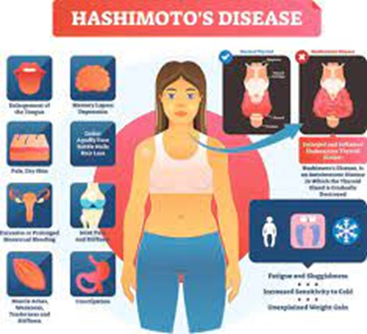
Hashimoto's disease is an autoimmune disorder affecting the thyroid gland. The thyroid is a butterfly-shaped gland located at the base of the neck just below the Adam's apple. The thyroid produces hormones that help regulate many functions in the body.


An autoimmune disorder is an illness caused by the immune system attacking healthy tissues. In Hashimoto's disease, immune-system cells lead to the death of the thyroid's hormone-producing cells. The disease usually results in a decline in hormone production (hypothyroidism).


Although anyone can develop Hashimoto's disease, it's most common among middle-aged women. The primary treatment is thyroid hormone replacement.


Hashimoto's disease is also known as Hashimoto's thyroiditis, chronic lymphocytic thyroiditis and chronic autoimmune thyroiditis.

 Symptoms


Hashimoto's disease progresses slowly over the years. You may not notice signs or symptoms of the disease. Eventually, the decline in thyroid hormone production can result in any of the following:


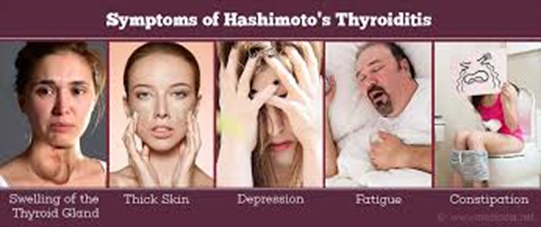
Fatigue and sluggishness

Increased sensitivity to cold

Increased sleepiness

Dry skin

Constipation

Muscle weakness

Muscle aches, tenderness and stiffness

Joint pain and stiffness

Irregular or excessive menstrual bleeding

Depression

Problems with memory or concentration

Swelling of the thyroid (goiter)

A puffy face

Brittle nails

Hair loss

Enlargement of the tongue

When to see a doctor

Signs and symptoms of Hashimoto's disease vary widely and are not specific to the disorder. Because these symptoms could result from any number of disorders, it's important to see your health care provider as soon as possible for a timely and accurate diagnosis

Subscribe!

Causes

Hashimoto's disease is an autoimmune disorder. The immune system creates antibodies that attack thyroid cells as if they were bacteria, viruses or some other foreign body. The immune system wrongly enlists disease-fighting agents that damage cells and lead to cell death.


What causes the immune system to attack thyroid cells is not clear. The onset of disease may be related to:


Genetic factors

Environmental triggers, such as infection, stress or radiation exposure

Interactions between environmental and genetic factors


Risk factors

The following factors are associated with an increased risk of Hashimoto's disease:


Sex. Women are much more likely to get Hashimoto's disease.

Age. Hashimoto's disease can occur at any age but more commonly occurs during middle age.

Other autoimmune disease. Having another autoimmune disease — such as rheumatoid arthritis, type 1 diabetes or lupus — increases your risk of developing Hashimoto's disease.

Genetics and family history. You're at higher risk for Hashimoto's disease if others in your family have thyroid disorders or other autoimmune diseases.

Pregnancy. Typical changes in immune function during pregnancy may be a factor in Hashimoto's disease that begins after pregnancy.

Excessive iodine intake. Too much iodine in the diet may function as a trigger among people already at risk for Hashimoto's disease.

Radiation exposure. People exposed to excessive levels of environmental radiation are more prone to Hashimoto's disease.

Complications

Thyroid hormones are essential for the healthy function of many body systems. Therefore, when Hashimoto's disease and hypothyroidism are left untreated, many complications can occur. These include:


Goiter. A goiter is enlargement of the thyroid. As thyroid hormone production declines due to Hashimoto's disease, the thyroid receives signals from the pituitary gland to make more. This cycle may result in a goiter. It's generally not uncomfortable, but a large goiter can affect your appearance and may interfere with swallowing or breathing.

Heart problems. Hypothyroidism can result in poor heart function, an enlarged heart and irregular heartbeats. It can also result in high levels of low-density lipoprotein (LDL) cholesterol — the "bad" cholesterol — that is a risk factor for cardiovascular disease and heart failure.

Mental health issues. Depression or other mental health disorders may occur early in Hashimoto's disease and may become more severe over time.

Sexual and reproductive dysfunction. In women, hypothyroidism can result in a reduced sexual desire (libido), an inability to ovulate, and irregular and excessive menstrual bleeding. Men with hypothyroidism may have a reduced libido, erectile dysfunction and a lowered sperm count.

Poor pregnancy outcomes. Hypothyroidism during pregnancy may increase the risk of a miscarriage or preterm birth. Babies born to women with untreated hypothyroidism are at risk for decreased intellectual abilities, autism, speech delays and other developmental disorders.

Myxedema (miks-uh-DEE-muh). This rare, life-threatening condition can develop due to long-term, severe, untreated hypothyroidism. Its signs and symptoms include drowsiness followed by profound lethargy and unconsciousness. A myxedema coma may be triggered by exposure to cold, sedatives, infection or other stress on your body. Myxedema requires immediate emergency medical treatment.


Jan Ricks Jennings, MHA, LFACHE, AMHMA

Senior Consultant

Senior Management Resources , LLC


Jan,Jennings@EagleTalons.net

JanJenningsBlog.Blogspot.com


724.733.0509 Office

412.913.0636 Cell

July 4, 2022


Saturday, July 9, 2022


Bacterial vaginosis


Overview

Bacterial vaginosis is a type of vaginal inflammation caused by the overgrowth of bacteria naturally found in the vagina, which upsets the natural balance.


Women in their reproductive years are most likely to get bacterial vaginosis, but it can affect women of any age. The cause isn't completely understood, but certain activities, such as unprotected sex or frequent douching, increase your risk.

Symptoms

Bacterial vaginosis signs and symptoms may include:


Thin, gray, white or green vaginal discharge

Foul-smelling "fishy" vaginal odor

Vaginal itching

Burning during urination

Many women with bacterial vaginosis have no signs or symptoms.


When to see a doctor

Make an appointment to see your doctor if:


You have vaginal discharge that's new and associated with an odor or fever. Your doctor can help determine the cause and identify signs and symptoms.

You've had vaginal infections before, but the color and consistency of your discharge seems different this time.

You have multiple sex partners or a recent new partner. Sometimes, the signs and symptoms of a sexually transmitted infection are similar to those of bacterial vaginosis.

You try self-treatment for a yeast infection with an over-the-counter treatment and your symptoms persist.


Causes

Bacterial vaginosis results from overgrowth of one of several bacteria naturally found in your vagina. Usually, "good" bacteria (lactobacilli) outnumber "bad" bacteria (anaerobes). But if there are too many anaerobic bacteria, they upset the natural balance of microorganisms in your vagina and cause bacterial vaginosis.


Risk factors

Risk factors for bacterial vaginosis include:


Having multiple sex partners or a new sex partner. Doctors don't fully understand the link between sexual activity and bacterial vaginosis, but the condition occurs more often in women who have multiple sex partners or a new sex partner. Bacterial vaginosis also occurs more frequently in women who have sex with women.

Douching. The practice of rinsing out your vagina with water or a cleansing agent (douching) upsets the natural balance of your vagina. This can lead to an overgrowth of anaerobic bacteria, and cause bacterial vaginosis. Since the vagina is self-cleaning, douching isn't necessary.

Natural lack of lactobacilli bacteria. If your natural vaginal environment doesn't produce enough of the good lactobacilli bacteria, you're more likely to develop bacterial vaginosis.

Complications

Bacterial vaginosis doesn't generally cause complications. Sometimes, having bacterial vaginosis may lead to:


Preterm birth. In pregnant women, bacterial vaginosis is linked to premature deliveries and low birth weight babies.

Sexually transmitted infections. Having bacterial vaginosis makes women more susceptible to sexually transmitted infections, such as HIV, herpes simplex virus, chlamydia or gonorrhea. If you have HIV, bacterial vaginosis increases the odds that you'll pass the virus on to your partner.

Infection risk after gynecologic surgery. Having bacterial vaginosis may increase the risk of developing a post-surgical infection after procedures such as hysterectomy or dilation and curettage (D&C).

Pelvic inflammatory disease (PID). Bacterial vaginosis can sometimes cause PID, an infection of the uterus and the fallopian tubes that can increase the risk of infertility.

Prevention

To help prevent bacterial vaginosis:


Minimize vaginal irritation. Use mild, nondeodorant soaps and unscented tampons or pads.

Don't douche. Your vagina doesn't require cleansing other than normal bathing. Frequent douching disrupts the vaginal balance and may increase your risk of vaginal infection. Douching won't clear up a vaginal infection.

Avoid a sexually transmitted infection. Use a male latex condom, limit your number of sex partners or abstain from intercourse to minimize your risk of a sexually transmitted infection.

Jan Ricks Jennings, MHA, LFACHE

Senior Consultant

Senior Management Resources, LLC


Jan.Jennings@EagleTalons.net

JanJenningsBlog.Blogspot.com


412.913.0636 Cell

724.733.00509 Office


July 9, 2022