Friday, October 29, 2021

                                                                                Throat cancer


Overview


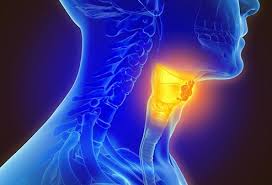
Throat cancer refers cancer that develops in your throat (pharynx) or voice box (larynx).


Your throat is a muscular tube that begins behind your nose and ends in your neck. Throat cancer most often begins in the flat cells that line the inside of your throat.


Your voice box sits just below your throat and also is susceptible to throat cancer. The voice box is made of cartilage and contains the vocal cords that vibrate to make sound when you talk.


Types of throat cancer

Throat cancer is a general term that applies to cancer that develops in the throat (pharyngeal cancer) or in the voice box (laryngeal cancer).


Though most throat cancers involve the same types of cells, specific terms are used to differentiate the part of the throat where cancer originated.


Nasopharyngeal cancer begins in the nasopharynx — the part of your throat just behind your nose.

Oropharyngeal cancer begins in the oropharynx — the part of your throat right behind your mouth that includes your tonsils.

Hypopharyngeal cancer (laryngopharyngeal cancer) begins in the hypopharynx (laryngopharynx) — the lower part of your throat, just above your esophagus and windpipe.

Glottic cancer begins in the vocal cords.

Supraglottic cancer begins in the upper portion of the voice box and includes cancer that affects the epiglottis, which is a piece of cartilage that blocks food from going into your windpipe.

Subglottic cancer begins in the lower portion of your voice box, below your vocal cords.

Symptoms


Signs and symptoms of throat cancer may include:


A cough

Changes in your voice, such as hoarseness or not speaking clearly

Difficulty swallowing

Ear pain

A lump or sore that doesn't heal

A sore throat

Weight loss

When to see a doctor

Make an appointment with your doctor if you notice any new signs and symptoms that are persistent. Most throat cancer symptoms aren't specific to cancer, so your doctor will likely investigate other more common causes first.


Causes

Throat cancer occurs when cells in your throat develop genetic mutations. These mutations cause cells to grow uncontrollably and continue living after healthy cells would normally die. The accumulating cells can form a tumor in your throat.


It's not clear what causes the mutation that causes throat cancer. But doctors have identified factors that may increase your risk.


Risk factors

HPV increases the risk of cancer of the throat, soft palate, tonsils and back of the tongue.

HPV and throat cancer

Factors that can increase your risk of throat cancer include:

Tobacco use, including smoking and chewing tobacco

Excessive alcohol use

Viral infections, including human papillomavirus (HPV) and Epstein-Barr virus

HPV increases the risk of cancer of the throat, soft palate, tonsils and back of the tongue.

A diet lacking in fruits and vegetables

Gastroesophageal reflux disease (GERD)

Exposure to toxic substances at work

Prevention

There's no proven way to prevent throat cancer from occurring. But in order to reduce your risk of throat cancer, you can:


Stop smoking or don't start smoking. If you smoke, quit. If you don't smoke, don't start. Stopping smoking can be very difficult, so get some help. Your doctor can discuss the benefits and risks of the many stop-smoking strategies, such as medication, nicotine replacement products and counseling.

Drink alcohol only in moderation, if at all.  For healthy adults, that means up to one drink a day for women and up to two drinks a day for men.

Choose a healthy diet full of fruits and vegetables. The vitamins and antioxidants in fruits and vegetables may reduce your risk of throat cancer. Eat a variety of colorful fruits and vegetables.

Protect yourself from HPV. As note earlier, some throat cancers are thought to be caused by the sexually transmitted infection human papillomavirus (HPV). You can reduce your risk of HPV by limiting your number of sexual partners and using a condom every time you have sex. Ask your doctor about the HPV vaccine, which may reduce the risk of throat cancer and other HPV-related cancers.


                                            A Face of Throat Cancer


Jan Ricks Jennings, MHA, LFACHE

Senior Consultant

Senior Management Resources, LLC

Jan.Jennings@EagleTalons.net

JanJenningsBlog.Blogspot.com


412.913.0636 Cell

724.733.0509 Office


Wednesday, October 27, 2021


Carpal tunnel syndrome


Overview

Carpal tunnel syndrome is caused by pressure on the median nerve. The carpal tunnel is a narrow passageway surrounded by bones and ligaments on the palm side of your hand. When the median nerve is compressed, the symptoms can include numbness, tingling and weakness in the hand and arm.


The anatomy of your wrist, health problems and possibly repetitive hand motions can contribute to carpal tunnel syndrome.


Proper treatment usually relieves the tingling and numbness and restores wrist and hand function.

Symptoms

Carpal tunnel syndrome symptoms usually start gradually and include:

Tingling or numbness. You may notice tingling and numbness in your fingers or hand. Usually the thumb and index, middle or ring fingers are affected, but not your little finger. You might feel a sensation like an electric shock in these fingers.

The sensation may travel from your wrist up your arm. These symptoms often occur while holding a steering wheel, phone or newspaper, or may wake you from sleep.

Many people "shake out" their hands to try to relieve their symptoms. The numb feeling may become constant over time.

Weakness. You may experience weakness in your hand and drop objects. This may be due to the numbness in your hand or weakness of the thumb's pinching muscles, which are also controlled by the median nerve.

When to see a doctor

See your doctor if you have signs and symptoms of carpal tunnel syndrome that interfere with your normal activities and sleep patterns. Permanent nerve and muscle damage can occur without treatment.

Causes

Carpal tunnel syndrome is caused by pressure on the median nerve.


The median nerve runs from your forearm through a passageway in your wrist (carpal tunnel) to your hand. It provides sensation to the palm side of your thumb and fingers, except the little finger. It also provides nerve signals to move the muscles around the base of your thumb (motor function).  Anything that squeezes or irritates the median nerve in the carpal tunnel space may lead to carpal tunnel syndrome. A wrist fracture can narrow the carpal tunnel and irritate the nerve, as can the swelling and inflammation caused by rheumatoid arthritis.

Many times, there is no single cause of carpal tunnel syndrome. It may be that a combination of risk factors contributes to the development of the condition.

Risk factors

A number of factors have been associated with carpal tunnel syndrome. Although they may not directly cause carpal tunnel syndrome, they may increase the risk of irritation as alluded to above or damage to the median nerve. These include:

Anatomic factors. A wrist fracture or dislocation, or arthritis that deforms the small bones in the wrist, can alter the space within the carpal tunnel and put pressure on the median nerve.

People who have smaller carpal tunnels may be more likely to have carpal tunnel syndrome.

Sex. Carpal tunnel syndrome is generally more common in women. This may be because the carpal tunnel area is relatively smaller in women than in men.

Women who have carpal tunnel syndrome may also have smaller carpal tunnels than women who don't have the condition.


Nerve-damaging conditions. Some chronic illnesses, such as diabetes, increase your risk of nerve damage, including damage to your median nerve.

Inflammatory conditions. Rheumatoid arthritis and other conditions that have an inflammatory component can affect the lining around the tendons in your wrist and put pressure on your median nerve.

Medications. Some studies have shown a link between carpal tunnel syndrome and the use of anastrozole (Arimidex), a drug used to treat breast cancer.

Obesity. Being obese is a risk factor for carpal tunnel syndrome.

Body fluid changes. Fluid retention may increase the pressure within your carpal tunnel, irritating the median nerve. This is common during pregnancy and menopause. Carpal tunnel syndrome associated with pregnancy generally gets better on its own after pregnancy.

Other medical conditions. Certain conditions, such as menopause, thyroid disorders, kidney failure and lymphedema, may increase your chances of carpal tunnel syndrome.

Workplace factors. Working with vibrating tools or on an assembly line that requires prolonged or repetitive flexing of the wrist may create harmful pressure on the median nerve or worsen existing nerve damage, especially if the work is done in a cold environment.

However, the scientific evidence is conflicting and these factors haven't been established as direct causes of carpal tunnel syndrome.

Several studies have evaluated whether there is an association between computer use and carpal tunnel syndrome. Some evidence suggests that it is mouse use, and not the use of a keyboard, that may be the problem. However, there has not been enough quality and consistent evidence to support extensive computer use as a risk factor for carpal tunnel syndrome, although it may cause a different form of hand pain.

Prevention

There are no proven strategies to prevent carpal tunnel syndrome, but you can minimize stress on your hands and wrists with these methods:

Reduce your force and relax your grip. If your work involves a cash register or keyboard, for instance, hit the keys softly. For prolonged handwriting, use a big pen with an oversized, soft grip adapter and free-flowing ink.

Take short, frequent breaks. Gently stretch and bend hands and wrists periodically. Alternate tasks when possible. This is especially important if you use equipment that vibrates or that requires you to exert a great amount of force. Even a few minutes each hour can make a difference.

Watch your form. Avoid bending your wrist all the way up or down. A relaxed middle position is best. Keep your keyboard at elbow height or slightly lower.

Improve your posture. Incorrect posture rolls shoulders forward, shortening your neck and shoulder muscles and compressing nerves in your neck. This can affect your wrists, fingers and hands, and can cause neck pain.

Change your computer mouse. Make sure that your computer mouse is comfortable and doesn't strain your wrist.

Keep your hands warm. You're more likely to develop hand pain and stiffness if you work in a cold environment. If you can't control the temperature at work, put on fingerless gloves that keep your hands and wrists warm.

Jan Ricks Jennings, MHA, LFACHE

Senior Consultant

Senior Management Resources, LLC


Jan.Jennings@EagleTalons.net

JanJenningsBlog.Blogspot.com


412.913.0636 Cell

724.733.0509 Office

October 27, 2021


Tuesday, October 26, 2021


Breast cancer

 Overview 


Breast cancer is cancer that forms in the cells of the breasts.

After skin cancer, breast cancer is the most common cancer diagnosed in women in the United States. Breast cancer can occur in both men and women, but it's far more common in women.


Substantial support for breast cancer awareness and research funding has helped created advances in the diagnosis and treatment of breast cancer. Breast cancer survival rates have increased, and the number of deaths associated with this disease is steadily declining, largely due to factors such as earlier detection, a new personalized approach to treatment and a better understanding of the disease.

Types

Angiosarcoma

Ductal carcinoma in situ (DCIS)

Inflammatory breast cancer

Invasive lobular carcinoma

Lobular carcinoma in situ (LCIS)

Male breast cancer

Paget's disease of the breast

Recurrent breast cancer

Symptoms

Nipple changes

Signs and symptoms of breast cancer may include:


A breast lump or thickening that feels different from the surrounding tissue

Change in the size, shape or appearance of a breast

Changes to the skin over the breast, such as dimpling

A newly inverted nipple

Peeling, scaling, crusting or flaking of the pigmented area of skin surrounding the nipple (areola) or breast skin

Redness or pitting of the skin over your breast, like the skin of an orange

When to see a doctor

If you find a lump or other change in your breast — even if a recent mammogram was normal — make an appointment with your doctor for prompt evaluation.

Causes

Doctors know that breast cancer occurs when some breast cells begin to grow abnormally. These cells divide more rapidly than healthy cells do and continue to accumulate, forming a lump or mass. Cells may spread (metastasize) through your breast to your lymph nodes or to other parts of your body.


Breast cancer most often begins with cells in the milk-producing ducts (invasive ductal carcinoma). Breast cancer may also begin in the glandular tissue called lobules (invasive lobular carcinoma) or in other cells or tissue within the breast.


Researchers have identified hormonal, lifestyle and environmental factors that may increase your risk of breast cancer. But it's not clear why some people who have no risk factors develop cancer, yet other people with risk factors never do. It's likely that breast cancer is caused by a complex interaction of your genetic makeup and your environment.


Inherited breast cancer

Doctors estimate that about 5 to 10 percent of breast cancers are linked to gene mutations passed through generations of a family.


A number of inherited mutated genes that can increase the likelihood of breast cancer have been identified. The most well-known are breast cancer gene 1 (BRCA1) and breast cancer gene 2 (BRCA2), both of which significantly increase the risk of both breast and ovarian cancer.


If you have a strong family history of breast cancer or other cancers, your doctor may recommend a blood test to help identify specific mutations in BRCA or other genes that are being passed through your family.


Consider asking your doctor for a referral to a genetic counselor, who can review your family health history. A genetic counselor can also discuss the benefits, risks and limitations of genetic testing to assist you with shared decision-making.


Risk factors

A breast cancer risk factor is anything that makes it more likely you'll get breast cancer. But having one or even several breast cancer risk factors doesn't necessarily mean you'll develop breast cancer. Many women who develop breast cancer have no known risk factors other than simply being women.


Factors that are associated with an increased risk of breast cancer include:


Being female. Women are much more likely than men are to develop breast cancer.

Increasing age. Your risk of breast cancer increases as you age.

A personal history of breast conditions. If you've had a breast biopsy that found lobular carcinoma in situ (LCIS) or atypical hyperplasia of the breast, you have an increased risk of breast cancer.

A personal history of breast cancer. If you've had breast cancer in one breast, you have an increased risk of developing cancer in the other breast.

A family history of breast cancer. If your mother, sister or daughter was diagnosed with breast cancer, particularly at a young age, your risk of breast cancer is increased. Still, the majority of people diagnosed with breast cancer have no family history of the disease.

Inherited genes that increase cancer risk. As discussed above, certain gene mutations that increase the risk of breast cancer can be passed from parents to children. The most well-known gene mutations are referred to as BRCA1 and BRCA2. These genes can greatly increase your risk of breast cancer and other cancers, but they don't make cancer inevitable.

Radiation exposure. If you received radiation treatments to your chest as a child or young adult, your risk of breast cancer is increased.

Obesity. Being obese increases your risk of breast cancer.

Beginning your period at a younger age. Beginning your period before age 12 increases your risk of breast cancer.

Beginning menopause at an older age. If you began menopause at an older age, you're more likely to develop breast cancer.

Having your first child at an older age. Women who give birth to their first child after age 30 may have an increased risk of breast cancer.

Having never been pregnant. Women who have never been pregnant have a greater risk of breast cancer than do women who have had one or more pregnancies.

Postmenopausal hormone therapy. Women who take hormone therapy medications that combine estrogen and progesterone to treat the signs and symptoms of menopause have an increased risk of breast cancer. The risk of breast cancer decreases when women stop taking these medications.

Drinking alcohol. Drinking alcohol increases the risk of breast cancer.

Prevention

Making changes in your daily life may help reduce your risk of breast cancer. Try to:


Ask your doctor about breast cancer screening. Discuss with your doctor when to begin breast cancer screening exams and tests, such as clinical breast exams and mammograms.


Talk to your doctor about the benefits and risks of screening. Together, you can decide what breast cancer screening strategies are right for you.


Become familiar with your breasts through breast self-exam for breast awareness. Women may choose to become familiar with their breasts by occasionally inspecting their breasts during a breast self-exam for breast awareness. If there is a new change, lumps or other unusual signs in your breasts, talk to your doctor promptly.


Breast awareness can't prevent breast cancer, but it may help you to better understand the normal changes that your breasts undergo and identify any unusual signs and symptoms.


Drink alcohol in moderation, if at all. Limit the amount of alcohol you drink to no more than one drink a day, if you choose to drink.

Exercise most days of the week. Aim for at least 30 minutes of exercise on most days of the week. If you haven't been active lately, ask your doctor whether it's OK and start slowly.

Limit postmenopausal hormone therapy. Combination hormone therapy may increase the risk of breast cancer. Talk with your doctor about the benefits and risks of hormone therapy.


Some women experience bothersome signs and symptoms during menopause and, for these women, the increased risk of breast cancer may be acceptable in order to relieve menopause signs and symptoms.


To reduce the risk of breast cancer, use the lowest dose of hormone therapy possible for the shortest amount of time.


Maintain a healthy weight. If your weight is healthy, work to maintain that weight. If you need to lose weight, ask your doctor about healthy strategies to accomplish this. Reduce the number of calories you eat each day and slowly increase the amount of exercise.

Choose a healthy diet. Women who eat a Mediterranean diet supplemented with extra-virgin olive oil and mixed nuts may have a reduced risk of breast cancer. The Mediterranean diet focuses mostly on plant-based foods, such as fruits and vegetables, whole grains, legumes, and nuts. People who follow the Mediterranean diet choose healthy fats, such as olive oil, over butter and fish instead of red meat.

Breast cancer risk reduction for women with a high risk

If your doctor has assessed your family history and determined that you have other factors, such as a precancerous breast condition, that increase your risk of breast cancer, you may discuss options to reduce your risk, such as:


Preventive medications (chemoprevention). Estrogen-blocking medications, such as selective estrogen receptor modulators and aromatase inhibitors, reduce the risk of breast cancer in women with a high risk of the disease.


These medications carry a risk of side effects, so doctors reserve these medications for women who have a very high risk of breast cancer. Discuss the benefits and risks with your doctor.


Preventive surgery. Women with a very high risk of breast cancer may choose to have their healthy breasts surgically removed (prophylactic mastectomy). They may also choose to have their healthy ovaries removed (prophylactic oophorectomy) to reduce the risk of both breast cancer and ovarian cancer.


The Blessed Face of Breast Cancer


Jan Ricks Jennings, MHA, LFACHE

Senior Consultant

Senior Management Resources, LLC


Jan.Jennings@EagleTalons.net

JanJenningsBlog.Blogspot.com


412.913.0636 Cell

724.733.0509 Office

Sunday, October 24, 2021


Safe sleep to protect against SIDS


The American Academy of Pediatrics says infants should sleep in the same bedroom as their parents or caregivers, for at least six months, to decrease the risks of sleep-related deaths. However, the policy also states the infant should sleep on a separate surface, a crib or bassinet, and not on a couch or soft surface. "SIDS and Other Sleep-Related Infant Deaths: Updated 2016 Recommendations for a Safe Infant Sleeping Environment," was published in the November 2016 issue of Pediatrics.


*This information is credited to the AAP news release.

____________________________________________________________


Approximately 3,500 infants die annually in the United States from sleep-related deaths, including sudden infant death syndrome (SIDS); ill-defined deaths; and accidental suffocation and strangulation. The number of infant deaths initially decreased in the 1990s after a national safe sleep campaign but has plateaued in recent years.

____________________________________________________________


Dr. David Soma, with the Mayo Clinic Children's Center, says, "It's not entirely clear why some evidence would support that staying in the same room as parents, but not in the same bed, would be potentially protective. This could be a marker for some other factor or something not fully understood but there is some data to support this practice." He added that more investigations may needed but ultimately, "the message remains the same to my patients in that we need to minimize risk while optimizing sleep for parents and children."


AAP recommendations on creating a safe sleep environment include:


Place the baby on his or her back on a firm sleep surface such as a crib or bassinet with a tight-fitting sheet.

Avoid use of soft bedding, including crib bumpers, blankets, pillows and soft toys. The crib should be bare.

Share a bedroom with parents, but not the same sleeping surface, preferably until the baby turns 1 but at least for the first six months. Room-sharing decreases the risk of SIDS by as much as 50 percent.

Avoid baby's exposure to smoke, alcohol and illicit drugs.

Other recommendations include:


Offer a pacifier at nap time and bedtime.

Do not use home monitors or commercial devices, including wedges or positioners, marketed to reduce the risk of SIDS.

Infants should receive all recommended vaccinations.

Supervised, awake laying the baby for a period of tummy time is recommended daily to facilitate development.


Jan Ricks Jennings, MHA, LFACHE

Senior Consultant

Senior Management Resource, LLC


Jan.Jennings@EagleTalons.net

JanJenningsBlog.Blogspot.com


412.913.0636 Cell

724.733.0509 Office


October 24, 2021


Dry macular degeneration


(Normal vision and vision with macular degeneration depicted above.)


Overview


Dry macular degeneration is a common eye disorder among people over 50. It causes blurred or reduced central vision, due to thinning of the macula.

The macula is the part of the retina responsible for clear vision in your direct line of sight. Wet macular degeneration is a chronic eye disorder that causes blurred vision or a blind spot in your visual field. It's generally caused by abnormal blood vessels that leak fluid or blood into the macula.   Dry macular degeneration is much more common.

Dry macular degeneration may first develop in one or both eyes and then affect both eyes. Over time, your vision may worsen and affect your ability to do things, such as read, drive and recognize faces. But this doesn't mean you'll lose all of your sight. Vision loss is typically central and people retain their peripheral vision. Some people have only mild central vision loss, while in others it can be more severe.

Early detection and self-care measures may delay vision loss due to dry macular degeneration.

Symptoms                                                


Dry macular degeneration symptoms usually develop gradually and without pain. They may include:

Visual distortions, such as straight lines seeming bent

Reduced central vision in one or both eyes

The need for brighter light when reading or doing close-up work

Increased difficulty adapting to low light levels, such as when entering a dimly lit restaurant

Increased blurriness of printed words

Decreased intensity or brightness of colors

Difficulty recognizing faces

A well-defined blurry spot or blind spot in your field of vision

Dry macular degeneration can affect one or both eyes. If only one eye is affected, you may not notice any changes in your vision because your good eye may compensate for the weak eye. And the condition doesn't affect side (peripheral) vision, so it rarely causes total blindness.

Dry macular degeneration is one of two types of age-related macular degeneration. It can progress to wet (neovascular) macular degeneration, which I described earlier.  The dry type is more common, but it usually progresses slowly (over years). The wet type is more likely to cause a relatively sudden change in vision resulting in serious vision loss.

See your eye doctor if:

You notice changes in your central vision

Your ability to see colors and fine detail becomes impaired

These changes may be the first indication of macular degeneration, particularly if you're over age 60.

Causes

No one knows exactly what causes dry macular degeneration. But research indicates it may be affected by a combination of heredity and environmental factors, including smoking, obesity and diet.

The condition develops as the eye ages. Dry macular degeneration affects the macula. Over time, tissue in your macula may thin and lose cells responsible for vision.

Risk factors

Factors that may increase your risk of macular degeneration include:

Age. This disease is most common in people over 60.

Family history and genetics. This disease has a hereditary component. Researchers have identified several genes that are related to developing the condition.

Race. Macular degeneration is more common in Caucasians.

Smoking. Smoking cigarettes or being regularly exposed to smoke significantly increases your risk of macular degeneration.

Obesity. Research indicates that being obese may increase your chance that early or intermediate macular degeneration will progress to the more severe form of the disease.

Cardiovascular disease. If you have had diseases that affected your heart and blood vessels, you may be at higher risk of macular degeneration.

Complications


People whose dry macular degeneration has progressed to central vision loss have a higher risk of depression and social isolation. With profound loss of vision, people may see visual hallucinations (Charles Bonnet syndrome). Dry macular degeneration may progress to wet macular degeneration, which can cause rapid vision loss if left untreated.

Prevention

 It is important to have routine eye exams to identify early signs of macular degeneration. The following measures may help reduce your risk of developing dry macular degeneration:

Manage your other medical conditions. For example, if you have cardiovascular disease or high blood pressure, take your medication and follow your doctor's instructions for controlling the condition.

Don't smoke. Smokers are more likely to develop macular degeneration than are nonsmokers. Ask your doctor for help to stop smoking.

Maintain a healthy weight and exercise regularly. If you need to lose weight, reduce the number of calories you eat and increase the amount of exercise you get each day.

Choose a diet rich in fruits and vegetables. Choose a healthy diet that's full of a variety of fruits and vegetables. These foods contain antioxidant vitamins that reduce your risk of developing macular degeneration.

Include fish in your diet. Omega-3 fatty acids, which are found in fish, may reduce the risk of macular degeneration. Nuts, such as walnuts, also contain omega-3 fatty acids.


Jan Ricks Jennings, MHA, LFACHE

Senior Consultant

Senior Management Services, LLC


Jan.Jennings@EagleTalons.net

JanJenningsBlog.Blogspot.com


412.913.0636 Cell

724.733.0509 Office

October 24, 2021