Sunday, October 17, 2021


Muscular dystrophy


 Causes of Muscular Dystrophy

In most cases, muscular dystrophy (MD) runs in families. It usually develops after inheriting a faulty gene from one or both parents.

MD is caused by mutations (alterations) in the genes responsible for healthy muscle structure and function. The mutations mean that the cells that should maintain your muscles can no longer fulfill this role, leading to muscle weakness and progressive disability.

Inheriting muscular dystrophy

You have two copies of every gene (with the exception of the sex chromosomes). You inherit a copy from one parent, and the other copy from the other parent. If one or both of your parents has a mutated gene that causes MD, it can be passed on to you.

Depending on the specific type of MD, the condition can be a:

recessive inherited disorder

dominant inherited disorder

sex-linked (X-linked) disorder

In a few cases, the genetic mutation that causes MD can also develop as a new event in the family. This is known as a spontaneous mutation.

A recessive inherited disorder

If you have a recessive inherited disorder, it means you have inherited an altered version of the gene that causes the condition from both of your parents (both your copies of the gene are altered).

If a child only inherits an altered version of the gene from one parent, they will become a carrier of the condition. This means they are not affected, but there is a chance that any children they have will be if their partner is also a carrier.

If both parents carry an altered version of the gene that causes the condition, there's a:

1 in 4 chance their child will have MD

1 in 4 chance their child will be healthy but carry the mother's faulty gene

1 in 4 chance their child will be healthy but carry the father's faulty gene

1 in 4 chance their child will be healthy (will not inherit any mutated genes)


A dominant inherited disorder

A dominant inherited disorder means you only need to inherit the mutated gene from one parent to be affected.

This means that if you have a child with an unaffected partner, there is still a 50% chance of your child developing the condition

A sex-linked (X-linked) disorder

Chromosomes are long, threadlike structures of DNA. A male has one X and one Y sex chromosome, and a female has two X chromosomes.

A sex-linked disorder is caused by a mutation in a gene on the X chromosome. As males only have one copy of each gene on the X chromosome, they will be affected if one of those genes is mutated.

As females have two copies of the X chromosome, they are less likely to develop an X-linked condition, because the normal copy of the chromosome can usually cover for (mask) the altered version.

Females can still be affected by X-linked disorders, but the condition is usually less severe than when the gene alteration is present in an affected male.

Types of MD inherited in this way include Duchenne MD and Becker MD, which is why these conditions are more common and more severe in males.

Spontaneous gene mutations

Spontaneous gene mutations can occasionally cause MD. This is where the genes mutate for no apparent reason, changing the way the cells’ function. Spontaneous gene mutations can cause MD to develop in people who do not have a family history of the condition.


Another way a child with no family history can be affected is when the condition is recessive. The gene mutations may have been present on both sides of the family for many generations but may not have affected anyone until a child inherited a copy of the altered gene from both parents.

Your doctor is likely to start with a medical history and physical examination.

After that, your doctor might recommend:

·         Enzyme tests. Damaged muscles release enzymes, such as creatine kinase (CK), into your blood. In a person who has not had a traumatic injury, high blood levels of CK suggest a muscle disease.

·         Genetic testing. Blood samples can be examined for mutations in some of the genes that cause types of muscular dystrophy.

·         Muscle biopsy. A small piece of muscle can be removed through an incision or with a hollow needle. Analysis of the tissue sample can distinguish muscular dystrophies from other muscle diseases.

·         Heart-monitoring tests (electrocardiography and echocardiogram). These tests are used to check heart function, especially in people diagnosed with myotonic muscular dystrophy.

·         Lung-monitoring tests. These tests are used to check lung function.

·         Electromyography. An electrode needle is inserted into the muscle to be tested. Electrical activity is measured as you relax and as you gently tighten the muscle. Changes in the pattern of electrical activity can confirm a muscle disease.


Treatment

Although there is no cure for any form of muscular dystrophy, treatment for some forms of the disease can help extend the time a person with the disease can remain mobile and help with heart and lung muscle strength. Trials of new therapies are ongoing.

People with muscular dystrophy should be monitored throughout their lives. Their care team should include a neurologist with expertise in neuromuscular diseases, a physical medicine and rehabilitation specialist, and physical and occupational therapists.

Some people might also need a lung specialist (pulmonologist), a heart specialist (cardiologist0, a sleep specialist, a specialist in the endocrine system (endocrinologist), an orthopedic surgeon and other specialists.

Treatment options include medications, physical and occupational therapy, and surgical and other procedures. Ongoing assessments of walking, swallowing, breathing and hand function enable the treatment team to adjust treatments as the disease progresses.

Medications

Your doctor might recommend:

·         Corticosteroids, such as prednisone and deflazacort (Emflaza), which can help muscle strength and delay the progression of certain types of muscular dystrophy. But prolonged use of these types of drugs can cause weight gain and weakened bones, increasing fracture risk.

·         Newer drugs include eteplirsen (Exondys 51), the first medication to be approved by the Food and Drug Administration (FDA) specifically to treat some people with Duchenne muscular dystrophy. It was conditionally approved in 2016.

In 2019, the FDA approved golodirsen (Vyondys 53) for treatment of some people with Duchenne dystrophy who have a certain genetic mutation.

·         Heart medications, such as angiotensin-converting enzyme (ACE) inhibitors or beta blockers, if muscular dystrophy damages the heart.

Therapy

Several types of therapy and assistive devices can improve the quality and sometimes the length of life in people who have muscular dystrophy. Examples include:

·         Range-of-motion and stretching exercises. Muscular dystrophy can restrict the flexibility and mobility of joints. Limbs often draw inward and become fixed in that position. Range-of-motion exercises can help to keep joints as flexible as possible.

·         Exercise. Low-impact aerobic exercise, such as walking and swimming, can help maintain strength, mobility and general health. Some types of strengthening exercises also might be helpful. But it is important to talk to your doctor first because some types of exercise might be harmful.

·         Braces. Braces can help keep muscles and tendons stretched and flexible, slowing the progression of contractures. Braces can also aid mobility and function by providing support for weakened muscles.

·         Mobility aids. Canes, walkers and wheelchairs can help maintain mobility and independence.

·         Breathing assistance. As respiratory muscles weaken, a sleep apnea device might help improve oxygen delivery during the night. Some people with severe muscular dystrophy need to use a machine that forces air in and out of their lungs (ventilator).

Surgery

Surgery might be needed to correct contractures or a spinal curvature that could eventually make breathing more difficult. Heart function may be improved with a pacemaker or other cardiac device.

Preventing respiratory infections

Respiratory infections can become a problem in muscular dystrophy. So, it is important to be vaccinated for pneumonia and to keep up to date with influenza shots. Try to avoid contact with children or adults who have an obvious infection.

More Information

Coping and support

A diagnosis of muscular dystrophy can be extremely challenging. To help you cope, find someone to talk with. You might feel comfortable discussing your feelings with a friend or family member, or you might prefer meeting with a formal support group.

If your child has muscular dystrophy, ask your doctor about ways to discuss this progressive condition with your child.

Preparing for your appointment

You might be referred to a doctor who specializes in the diagnosis and treatment of muscular dystrophy.

What you can do

·         Write down your or your child's signs and symptoms and when they began.

·         Bring photos or video recordings to show the doctor the symptoms that concern you.

·         Write down key medical information, including other conditions.

·         Make a list of all medications, vitamins and supplements you or your child takes, including doses.

·         Tell your doctor whether anyone in your family has been diagnosed with muscular dystrophy.

Questions to ask your or your child's doctor

·         What is the most likely cause of these signs and symptoms?

·         What tests are needed?

·         What are the possible complications of this condition?

·         What treatments do you recommend?

·         What is the long-term outlook?

·         Do you recommend that our family meet with a genetic counselor?

Do not hesitate to ask other questions during your appointment.

What to expect from your doctor?

Your doctor is likely to ask you questions, such as:

·         Are the symptoms getting worse?

·         What, if anything, relieves them?

·         What, if anything, makes them worse?

·         Do you plan to have more children?

Tribute to Jerry Lewis

As a humanitarian, philanthropist and "number one volunteer", Lewis supported fundraising for research into muscular dystrophy. In 1951, he and Dean Martin made their first appeal for the Muscular Dystrophy Association (simply known as MDA and formerly as the Muscular Dystrophy Associations of America and MDAA) in early December on the finale of The Colgate Comedy Hour. In 1952, after another appeal, Lewis hosted New York area telethons until 1959 and in 1954, fought Rocky Marciano in a boxing bout for MDA's fund drive.

Lewis’ annual MDA telethon aired from 1956 to 2010, each Labor Day weekend and raised over $2.6 billion.

After being named national chairman in 1956, Lewis began hosting and emceeing the live annual event The Jerry Lewis MDA Labor Day Telethon (also titled as Jerry Lewis Extra Special SPECIAL, Jerry Lewis Super Show and Jerry Lewis Stars Across America) in 1966 and aired every Labor Day weekend for six decades, first on WNEW, then in syndication.

Ed McMahon, announcer of 30 years on The Tonight Show Starring Johnny Carson and host of Star Search, began his involvement in the telethon in 1968, before co-anchoring with Lewis from 1973 to 2008. It was seen on all local TV stations, in all localities known as the MDA "Love Network" and originated from different locations including New York, Las Vegas and Hollywood, becoming the most successful fundraising event in the history of television.


 It was the first to telethon to raise over $1 million, in 1966, and was shown entirely in color, in 1967.  It became a networked telethon in 1968, went coast-to-coast. in 1970, seen outside continental U.S., in 1972.  It raised the largest sum ever in a single event for humanitarian purposes.  In 1974 it had the greatest amount ever pledged to a televised charitable event. in 1980 (according to the Guinness Book of World Records). It was seen by one hundred million people in 1985, celebrated its 25th anniversary.   In 1990, saw its highest pledge in history. In 1992 and was seen worldwide via internet simulcast in 1998.

By 1990, pop culture had shifted its view of disabled individuals and the telethon format. Lewis and the telethon's methods were criticized by disabled-rights activists who believed the show was "designed to evoke pity rather than empower the disabled". The activists said the telethon perpetuated prejudices and stereotypes, that Lewis treated those he claimed to be helping with little respect, and that he used offensive language when describing them. The songs "Smile" (by Charlie Chaplin), "What the World Needs Now Is Love" (by Jackie DeShannon) and "You'll Never Walk Alone" (by Rodgers and Hammerstein) have been long associated with the telethon.

Lewis rebutted the criticism and defended his methods saying, "If you don't tug at their heartstrings, then you're on the air for nothing." The activist protests represented an exceedingly small minority of countless MDA patients and clients who had directly benefitted from Lewis's MDA fundraising. He received a Nobel Peace Prize nomination in 1977, a Governor’s Award in 2005 and the Jean Hersholt Humanitarian Award in 2009, in recognition of his fight and efforts with the Muscular Dystrophy Association.

On August 3, 2011, it was announced that Lewis would no longer host the MDA telethons and that he was no longer associated with the Muscular Dystrophy Association. A tribute to Lewis was held during the 2011 telethon (which originally was to be his final show bearing his name with MDA). On May 1, 2015, it was announced that in view of "the new realities of television viewing and philanthropic giving", the telethon was being discontinued.

In early 2016, Lewis broke a five-year silence during a special taped message at MDA's brand re-launch event at Carnegie Hall in New York City. His remarks on behalf of the organization appeared on its website inn honor of its rebranding.  The message broke  his first (and as it turned out, his final) appearance in support of MDA since his final telethon in 2010 and the end of his tenure as national chairman in 2011. Lewis raised an estimated $2.6 billion in donations for the cause.

MDA's website states, "Jerry's love, passion and brilliance are woven throughout this organization, which he helped build from the ground up, courted sponsors for MDA, appeared at openings of MDA care and research centers, addressed meetings of civic organizations, volunteers and the MDA Board of Directors, successfully lobbied Congress for federal neuromuscular disease research funds, and made countless phone calls and visits to families served by MDA.”

During Lewis's lifetime, MDA-funded scientists discovered the causes of most of the diseases in the Muscular Dystrophy Association's program, developing treatments, therapies and standards of care that have allowed many people living with these diseases to live longer and grow stronger. Over two hundred research and treatment facilities were built with donations raised by the Jerry Lewis Telethons.

Jerry Lewis died in Las Vegas at age 91.


Jan Ricks Jennings, MHA, LFACHE

Senior Consultant

Senior Management Services, LLC

Jan.Jennings@EagleTalons.net

JanJenningsBlog.Blogspot.com

412.913.0636 Cell

724.733.0509 Office

October 18, 2021


Saturday, October 16, 2021


The horrific world of Amyloidosis


Overview

Amyloidosis is a rare disease that occurs when an abnormal protein, called amyloid, builds up in your organs and interferes with their normal function.


Amyloid is not normally found in the body, but it can be formed from several different types of protein. Organs that may be affected include the heart, kidneys, liver, spleen, nervous system, and digestive tract.


Some varieties of amyloidosis occur in association with other diseases. These types may improve with treatment of the underlying disease. Some varieties of amyloidosis may lead to life-threatening organ failure.


Treatments may include chemotherapy similar to that used to combat cancer. Your doctor may suggest medications to reduce amyloid production and to control symptoms. Some people may benefit from organ or stem cell transplants.

Symptoms

Purpura around the eyes, a sign of amyloidosis

 Signs and symptoms of amyloidosis may include:

Swelling of your ankles and legs

Severe fatigue and weakness

Shortness of breath with minimal exertion

Unable to lie flat in bed due to shortness of breath

Numbness, tingling or pain in your hands or feet, especially pain in your wrist (carpal tunnel syndrome)

Diarrhea, possibly with blood, or constipation

Unintentional weight loss of more than ten pounds (4.5 kilograms)

An enlarged tongue, which sometimes looks rippled around its edge

Skin changes, such as thickening or easy bruising, and purplish patches around the eyes

An irregular heartbeat

Difficulty swallowing

When to see a doctor

See your doctor if you persistently experience any of the signs or symptoms associated with amyloidosis.

You may not experience signs and symptoms of amyloidosis until the condition is advanced. When signs and symptoms are evident, they depend on which of your organs are affected.

Causes

There are many different types of amyloidosis. Some varieties are hereditary. Others are caused by outside factors, such as inflammatory diseases or long-term dialysis. Many types affect multiple organs, while others affect only one part of the body.


Subtypes of amyloidosis include:


AL amyloidosis (immunoglobulin light chain amyloidosis). The most common type of amyloidosis in developed countries, AL amyloidosis is also called primary amyloidosis. It usually affects the heart, kidneys, liver, and nerves.

AA amyloidosis. Also known as secondary amyloidosis, this variety is usually triggered by an inflammatory disease, such as rheumatoid arthritis. Improved treatments for severe inflammatory conditions have resulted in a sharp decline in the number of cases of AA amyloidosis in developed countries. It most commonly affects the kidneys, liver, and spleen.

Hereditary amyloidosis (familial amyloidosis). This inherited disorder often affects the nerves, heart, and kidneys. It most commonly happens when a protein made by your liver is abnormal. This protein is called transthyretin (TTR).

Wild-type amyloidosis. This variety of amyloidosis occurs when the TTR protein made by the liver is normal but produces amyloid for unknown reasons. Formerly known as senile systemic amyloidosis, wild-type amyloidosis tends to affect men over age 70 and typically targets the heart. It can also cause carpal tunnel syndrome.

Localized amyloidosis. This type of amyloidosis often has a better prognosis than the varieties that affect multiple organ systems. Typical sites for localized amyloidosis include the bladder, skin, throat, or lungs. Correct diagnosis is important so that treatments that affect the entire body can be avoided.

Risk factors

Factors that increase your risk of amyloidosis include:

Age. Most people diagnosed with amyloidosis are between ages 60 and 70, although earlier onset occurs.

Sex. Amyloidosis occurs more commonly in men.

Other diseases. Having a chronic infectious or inflammatory disease increases your risk of AA amyloidosis.

Family history. Some types of amyloidosis are hereditary.

Kidney dialysis. Dialysis cannot always remove large proteins from the blood. If you are on dialysis, abnormal proteins can build up in your blood and eventually be deposited in tissue. This condition is less common with more modern dialysis techniques.

Race. People of African descent appear to be at higher risk of carrying a genetic mutation associated with a type of amyloidosis that can harm the heart.

Complications

The potential complications of amyloidosis depend on which organs the amyloid deposits affect. Amyloidosis can seriously damage your:

Heart. Amyloid reduces your heart's ability to fill with blood between heartbeats. Less blood is pumped with each beat, and you may experience shortness of breath. If amyloidosis affects your heart's electrical system, your heart rhythm may be disturbed. Amyloid-related heart problems can become life-threatening.

Kidneys. Amyloid can harm the kidneys' filtering system, causing protein to leak from your blood into your urine. The kidneys' ability to remove waste products from your body is lowered, which may eventually lead to kidney failure and the need for dialysis.

Nervous system. You may experience pain, numbness or tingling of your fingers or numbness, lack of feeling or a burning sensation in your toes or the soles of your feet. If amyloid affects the nerves that control your bowel function, you may experience periods of alternating constipation and diarrhea. If it affects the nerves that control blood pressure, you may feel faint after standing up too quickly.

Remember that a diagnosis of amyloidosis like any serious illness will change the life of not only the patient and the career but all the family members in diverse ways.


Whatever is happening in your life try to maintain open communication with your loved ones.

Talk honestly and openly where possible about your feelings.

Be honest about your diagnosis.

If you are a partner or a close family member it is better to say something than nothing at all.

Be honest. If you do not know what to say, then say so.

Communicating with your children


Children and teenagers often sense something is wrong. Adults can underestimate how well they can deal with gentle truth. Teenagers report that they often learn about their parent’s medical problems by overhearing phone conversations.


Be honest about what is happening in language the young can understand.

Listen to their questions and if you feel you cannot answer them ask someone else to do so, such as a health professional.

Younger children may start to blame themselves for their parent’s illness and feel very shut out and sad if no one explains in simple language what is happening. This may result in behavior problems.

Seek advice from your primary care physician or your treatment team if you are concerned about your children.

Try to maintain as normal household routine as possible.


Jan Ricks Jennings, MHA, LFACHE

Senior Consultant

Senior Management Services, LLC


Jan.Jennings@EagleTalons.net

JanJenningsBlog.Blogspot.com


412.913.0636 Cell

724.733.0509 Office


October 15, 2021 

Thursday, October 14, 2021


The Terrible World of Sickle Cell Anemia

A Curse on the African American Community


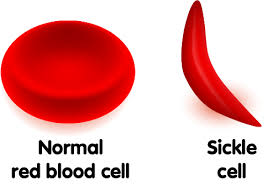
Sickle cell anemia is one of a group of disorders known as sickle cell disease. Sickle cell anemia is an inherited red blood cell disorder in which there are not enough healthy red blood cells to carry oxygen throughout your body.           


Normally, the flexible, round red blood cells move easily through blood vessels. In sickle cell anemia, the red blood cells are shaped like sickles or crescent moons. These rigid, sticky cells can get stuck in small blood vessels, which can slow or block blood flow and oxygen to parts of the body.


There is no cure for most people with sickle cell anemia. But treatments can relieve pain and help prevent complications associated with the disease.

Symptoms

Signs and symptoms of sickle cell anemia usually appear around 5 months of age. They vary from person to person and change over time. Signs and symptoms can include:


Anemia. Sickle cells break apart easily and die, leaving you with too few red blood cells. Red blood cells usually live for about 120 days before they need to be replaced. But sickle cells usually die in 10 to 20 days, leaving a shortage of red blood cells (anemia).


Without enough red blood cells, your body cannot get enough oxygen, causing fatigue.


Episodes of pain. Periodic episodes of pain, called pain crises, are a major symptom of sickle cell anemia. Pain develops when sickle-shaped red blood cells block blood flow through tiny blood vessels to your chest, abdomen, and joints. Pain can also occur in your bones.


The pain varies in intensity and can last for a few hours to a few weeks. Some people have only a few pain crises a year. Others have a dozen or more pain crises a year. A severe pain crisis requires a hospital stay.


Some adolescents and adults with sickle cell anemia also have chronic pain, which can result from bone and joint damage, ulcers, and other causes.


Swelling of hands and feet. The swelling is caused by sickle-shaped red blood cells blocking blood flow to the hands and feet.

Frequent infections. Sickle cells can damage your spleen, leaving you more vulnerable to infections. Doctors commonly give infants and children with sickle cell anemia vaccinations and antibiotics to prevent potentially life-threatening infections, such as pneumonia.

Delayed growth or puberty. Red blood cells provide your body with the oxygen and nutrients needed for growth. A shortage of healthy red blood cells can slow growth in infants and children and delay puberty in teenagers.

Vision problems. Tiny blood vessels that supply your eyes can become plugged with sickle cells. This can damage the retina — the portion of the eye that processes visual images — and lead to vision problems.

When to see a doctor

Sickle cell anemia is usually diagnosed in infancy through newborn screening programs. If you or your child develops any of the following problems, see your doctor right away or seek emergency medical care:


Fever. People with sickle cell anemia have an increased risk of serious infection, and fever can be the first sign of an infection.

Unexplained episodes of severe pain, such as pain in the abdomen, chest, bones or joints.

Swelling in the hands or feet.

Abdominal swelling, especially if the area is tender to the touch.

Pale skin or nail beds.

Yellow tint to the skin or whites of the eyes.

Signs or symptoms of stroke. If you notice one-sided paralysis or weakness in the face, arms or legs; confusion; trouble walking or talking; sudden vision changes or unexplained numbness; or a severe headache, call 911 or your local emergency number right away.

Causes

Sickle cell anemia is caused by a mutation in the gene that tells your body to make the iron-rich compound that makes blood red and enables red blood cells to carry oxygen from your lungs throughout your body (hemoglobin). In sickle cell anemia, the abnormal hemoglobin causes red blood cells to become rigid, sticky and misshapen.


Both mother and father must pass the defective form of the gene for a child to be affected.


If only one parent passes the sickle cell gene to the child, that child will have the sickle cell trait. With one normal hemoglobin gene and one defective form of the gene, people with the sickle cell trait make both normal hemoglobin and sickle cell hemoglobin.


Their blood might contain some sickle cells, but they do not have symptoms. They are carriers of the disease, however, which means they can pass the gene to their children.


Risk factors

For a baby to be born with sickle cell anemia, both parents must carry a sickle cell gene. In the United States, sickle cell anemia most commonly affects black people.


Complications

Sickle cell anemia can lead to a host of complications, including:


Stroke. Sickle cells can block blood flow to an area of your brain. Signs of stroke include seizures, weakness or numbness of your arms and legs, sudden speech difficulties, and loss of consciousness. If your child has any of these signs and symptoms, seek medical treatment immediately. A stroke can be fatal.

Acute chest syndrome. A lung infection or sickle cells blocking blood vessels in your lungs can cause this life-threatening complication, resulting in chest pain, fever and difficulty breathing. It might require emergency medical treatment.

Pulmonary hypertension. People with sickle cell anemia can develop high blood pressure in their lungs. This complication usually affects adults. Shortness of breath and fatigue are common symptoms of this condition, which can be fatal.

Organ damage. Sickle cells that block blood flow to organs deprive the affected organs of blood and oxygen. In sickle cell anemia, blood is also chronically low in oxygen. This lack of oxygen-rich blood can damage nerves and organs, including your kidneys, liver, and spleen, and can be fatal.

Blindness. Sickle cells can block tiny blood vessels that supply your eyes. Over time, this can damage your eye and lead to blindness.

Leg ulcers. Sickle cell anemia can cause open sores on your legs.

Gallstones. The breakdown of red blood cells produces a substance called bilirubin. An elevated level of bilirubin in your body can lead to gallstones.

Priapism. In this condition, men with sickle cell anemia can have painful, long-lasting erections. Sickle cells can block the blood vessels in the penis, which can lead to impotence over time.

Pregnancy complications. Sickle cell anemia can increase the risk of high blood pressure and blood clots during pregnancy. It can also increase the risk of miscarriage, premature birth and having low birth weight babies.

Prevention

If you carry the sickle cell trait, seeing a genetic counselor before trying to conceive can help you understand your risk of having a child with sickle cell anemia. They can also explain treatments, preventive measures, and reproductive options.


Jan Ricks Jennings, MHA, LFAHE

Senior Consultant

Senior Management, Resources, LLC


Jan.Jennings@EagleTalons.net

JanJenningsBlog.Blogspot.com


412.913.0636 Cell

724.733.0509 Office


The World of Meniere's Disease


Meniere's disease is a disorder of the inner ear that can lead to dizzy spells (vertigo) and hearing loss. In most cases, Meniere's disease affects only one ear.

Meniere's disease can occur at any age, but it usually starts between young and middle-aged adulthood. It is considered a chronic condition, but various treatments can help relieve symptoms and minimize the long-term impact on your life.

Signs and symptoms of Meniere's disease include:

Recurring episodes of vertigo. You have a spinning sensation that starts and stops spontaneously. Episodes of vertigo occur without warning and usually last 20 minutes to several hours, but not more than 24 hours. Severe vertigo can cause nausea. Hearing loss. Hearing loss in Meniere's disease may come and go, particularly early on. Eventually, most people have some permanent hearing loss.

Ringing in the ear (tinnitus). Tinnitus is the perception of a ringing, buzzing, roaring, whistling or hissing sound in your ear.

Feeling of fullness in the ear. People with Meniere's disease often feel pressure in an affected ear (aural fullness).

After an episode, signs and symptoms improve and might disappear entirely for a while. Over time, the frequency of episodes may lessen.

When to see a doctor

See your doctor if you have signs or symptoms of Meniere's disease. These problems can be caused by other illnesses, and it is important to get an accurate diagnosis as soon as possible.


Causes


                                                                                                         The cause of Meniere's disease is unknown. Symptoms of Meniere's disease appear to be the result of an abnormal amount of fluid (endolymph) in the inner ear, but it isn't clear what causes that to happen.


Factors that affect the fluid, which might contribute to Meniere's disease, include:

Improper fluid drainage, perhaps because of a blockage or anatomic abnormality

Abnormal immune response

Viral infection

Genetic predisposition

Because no single cause has been identified, it is likely that Meniere's disease results from a combination of factors.

Complications

The unpredictable episodes of vertigo and the prospect of permanent hearing loss can be the most difficult problems of Meniere's disease. The disease can unexpectedly interrupt your life, causing fatigue and stress.

Vertigo can cause you to lose balance, increasing your risk of falls and accidents.


Living with Meniere's Disease is not easy. Your vision glitches with a sudden roll to the side, like a malfunctioning TV. An uneasy feeling takes root in the pit of your stomach. Pressure starts to build in your ears, accompanied by loud roaring sounds. The disease can ruin careers and become debilitating.


Jan Ricks Jennings, MHA, LFACHE

Senior Consultant

Senior Management Services, LLC

Jan.Jennings@EagleTalons.net

JanJenningsBlog.Blogspot.com


412.913.0636  Cell

724.733.0509 Office

October 13, 2021


Tuesday, October 12, 2021


The World of Multiple Sclerosis


Multiple sclerosis (MS) is a potentially disabling disease of the brain and spinal cord (central nervous system).


                  In MS, the immune system attacks the protective sheath (myelin) that covers nerve fibers and causes communication problems between your brain and the rest of your body. Eventually, the disease can cause

permanent damage or deterioration of the nerves.

Signs and symptoms of MS vary widely and depend on the amount of nerve damage and which nerves are affected. Some people with severe MS may lose the ability to walk independently or at all, while others may experience long periods of remission without any new symptoms.


There's no cure for multiple sclerosis. However, treatments can help speed recovery from attacks, modify the course of the disease and manage symptoms.


Symptoms                                                  


MS-related nervous system damage

Myelin damage and the nervous system Open pop-up dialog box

Multiple sclerosis signs and symptoms may differ greatly from person to person and over the course of the disease depending on the location of affected nerve fibers. Symptoms often affect movement, such as:


Numbness or weakness in one or more limbs that typically occurs on one side of your body at a time, or your legs and trunk

Electric-shock sensations that occur with certain neck movements, especially bending the neck forward (Lhermitte sign)

Tremor, lack of coordination or unsteady gait

Vision problems are also common, including:


Partial or complete loss of vision, usually in one eye at a time, often with pain during eye movement

Prolonged double vision

Blurry vision

Multiple sclerosis symptoms may also include:

Slurred speech

Fatigue

Dizziness

Tingling or pain in parts of your body

Problems with sexual, bowel and bladder function

When to see a doctor

See a doctor if you experience any of the above symptoms for unknown reasons.

Disease course

Most people with MS have a relapsing-remitting disease course. They experience periods of new symptoms or relapses that develop over days or weeks and usually improve partially or completely. These relapses are followed by quiet periods of disease remission that can last months or even years.  Small increases in body temperature can temporarily worsen signs and symptoms of MS, but these aren't considered true disease relapses.  At least 50% of those with relapsing-remitting MS eventually develop a steady progression of symptoms, with or without periods of remission, within 10 to 20 years from disease onset. This is known as secondary-progressive MS.


The worsening of symptoms usually includes problems with mobility and gait. The rate of disease progression varies greatly among people with secondary-progressive MS.


Some people with MS experience a gradual onset and steady progression of signs and symptoms without any relapses, known as primary-progressive MS.


More Information

Cannabis for MS: Can it help treat symptoms?

Multiple sclerosis: Can it cause seizures?

Causes

The cause of multiple sclerosis is unknown. It's considered an autoimmune disease in which the body's immune system attacks its own tissues. In the case of MS, this immune system malfunction destroys the fatty substance that coats and protects nerve fibers in the brain and spinal cord (myelin).


Myelin can be compared to the insulation coating on electrical wires. When the protective myelin is damaged and the nerve fiber is exposed, the messages that travel along that nerve fiber may be slowed or blocked.


It isn't clear why MS develops in some people and not others. A combination of genetics and environmental factors appears to be responsible.


Risk factors

These factors may increase your risk of developing multiple sclerosis:

Age. MS can occur at any age, but onset usually occurs around 20 and 40 years of age. However, younger and older people can be affected.

Sex. Women are more than two to three times as likely as men are to have relapsing-remitting MS.

Family history. If one of your parents or siblings has had MS, you are at higher risk of developing the disease.

Certain infections. A variety of viruses have been linked to MS, including Epstein-Barr, the virus that causes infectious mononucleosis.

Race. White people, particularly those of Northern European descent, are at highest risk of developing MS. People of Asian, African or Native American descent have the lowest risk.

Climate. MS is far more common in countries with temperate climates, including Canada, the northern United States, New Zealand, southeastern Australia and Europe.

Vitamin D. Having low levels of vitamin D and low exposure to sunlight is associated with a greater risk of MS.

Certain autoimmune diseases. You have a slightly higher risk of developing MS if you have other autoimmune disorders such as thyroid disease, pernicious anemia, psoriasis, type 1 diabetes or inflammatory bowel disease.

Smoking. Smokers who experience an initial event of symptoms that may signal MS are more likely than nonsmokers to develop a second event that confirms relapsing-remitting MS.

Complications

People with multiple sclerosis may also develop:

Muscle stiffness or spasms

Paralysis, typically in the legs

Problems with bladder, bowel or sexual function

Mental changes, such as forgetfulness or mood swings

Depression

Epilepsy

More Information

Multiple sclerosis care at Mayo Clinic

Managing anxiety in MS: What works?

Managing depression in MS

The latest edition of the Atlas of MS shows there are 2.8 million people living with multiple sclerosis around the world.

The Atlas of MS is a powerful advocacy tool for MS organizations and advocates to drive policy changes that can remove obstacles for people with MS and their families in their country. The data is a key way of shining a spotlight on MS to increase awareness and understanding around the world.


Jan Ricks Jennings, MHA, LFACHE

Senior Consultant

Senior Management Services, LLC


Jan.Jennings@EagleTalons.net

JanJenningsBlog.Blogspot.com

412.913.0636 Cell

724.733.0509 Office

October 12, 2021


Monday, October 11, 2021

                                                        What Is Tourette's Syndrome?


 Tourette's syndrome is a problem with the nervous system that causes people to make sudden movements or sounds, called tics, that they cannot control. For example, someone with Tourette's might blink or clear their throat repeatedly. Some people may blurt out words they do not intend to say.

Once in the 1980s I lived and worked in Buffalo, NY.  One Saturday afternoon we went to a movie.  Into the theatre came a group of young people. As they got settled one of the young men starting yelling and disrupting the audience. For me it was unbearable.  I went over to this group of young people and asked then to be quiet.  Within a few minutes they all got up and left.  An usher explained to me that the disruptive young man was suffering from Tourette’s Syndrome, and he simply could not help himself.   To this very day I am deeply ashamed.

Treatments can control tics, but some people do not need any unless their symptoms really bother them.

About 100,000 Americans have full-blown Tourette's syndrome, but more people have a milder form of the disease. It often starts in childhood, and more boys than girls get it. Symptoms often get better as children grow up. For some people, they go away completely.

Causes

Tourette's has been linked to distinct parts of the brain, including an area called the basal ganglia, which helps control body movements. Differences there may affect nerve cells and the chemicals that carry messages between them. Researchers think that trouble in this brain network may play a role in Tourette's.

Doctors do not know exactly what causes these problems in the brain, but genes probably play a role. It is likely that there is more than one cause.

People who have family members with Tourette's are more likely to get it themselves. But people in the same family may have different symptoms.

Symptoms

The main symptom is tics. Some are so mild they are not even noticeable. Others happen often and are obvious. Stress, excitement, or being sick or tired can make them worse. The more severe ones can be embarrassing and affect your social life or work.

There are two types of tics:

Motor tics involve movement. They include:

Arm or head jerking

Blinking

Making a face

Mouth twitching

Shoulder shrugging

Vocal tics include:

Barking or yelping

Clearing your throat

Coughing

Grunting

Repeating what someone else says

Shouting

Sniffing

Swearing

Tics can be simple or complex. A simple tic affects one or just a few parts of the body, like blinking the eyes or making a face.

A complex one involves many parts of the body or saying words. Jumping and swearing are examples.

This is a difficult disease for the individual, the whole family, and the entire community in which the patient resides.   I little bit of compassion goes a long way.

Jan Ricks Jennings, MHA, LFACHE

Senior Consultant

Senior Management Resources, LLC


Jan.Jennings@EagleTalons.net

JanJenningsBlog.Blogspot.com

412.9130636 Cell

724.733.0509 Office

October 11, 2021